If your small business gets hit by ransomware, a phishing scam, or business email fraud, knowing where to report cybercrime to the FBI IC3 and other agencies can feel overwhelming in the middle of a crisis. Most owners either skip the report entirely or file with the wrong agency, which creates problems later.
After reading this, you will know which incidents belong with the FBI's Internet Crime Complaint Center, which go to CISA or your state attorney general, and what information to gather before you file. You will also learn why that report number matters when your insurance carrier asks for it or law enforcement follows up.
Which Agency Handles Which Cybercrime
Not every cybercrime report belongs in the same inbox. Sending it to the wrong place delays your case and can complicate an insurance claim.
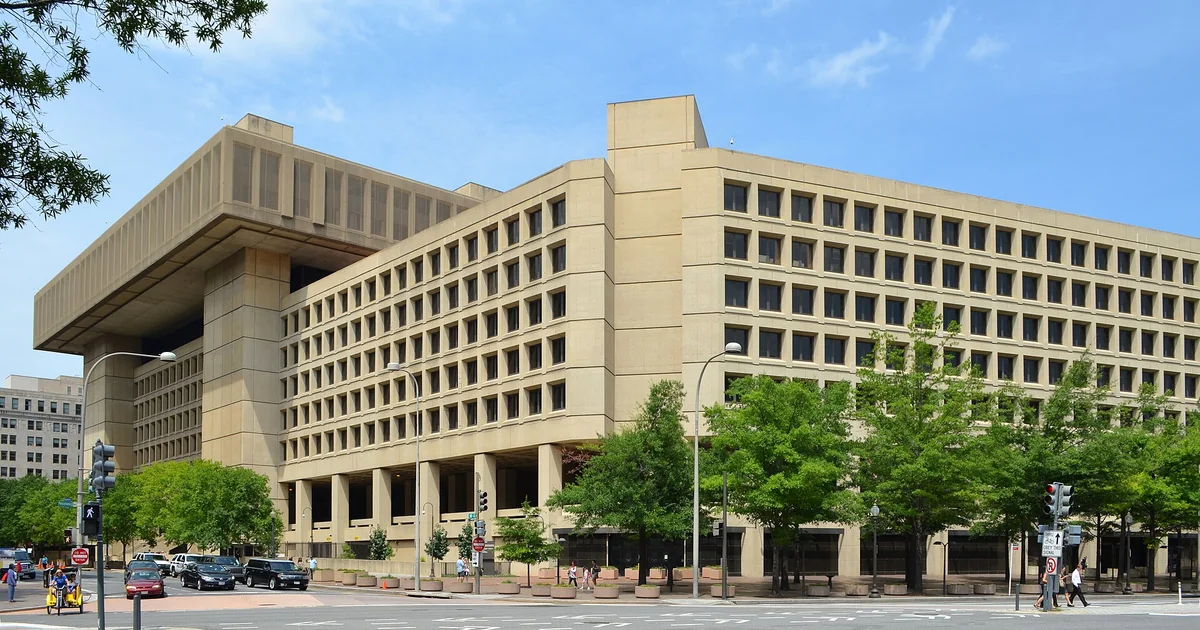
FBI IC3 is your first stop for financial fraud. That includes business email compromise, wire fraud, ransomware with a ransom demand, phishing that led to a money loss, and online extortion. IC3 feeds cases to FBI field offices and coordinates with the Secret Service on financial crimes. If money moved or someone demanded money, start here.
CISA (Cybersecurity and Infrastructure Security Agency) focuses on threats to critical infrastructure and unpatched systems at scale. Report to CISA when you discover an active intrusion tied to a known vulnerability, especially on internet-facing devices that may be end-of-life. CISA tracks exploited weaknesses in its Known Exploited Vulnerabilities catalog and issues binding directives to federal agencies, one of which addresses risks from unsupported edge devices (CISA). CISA reports do not replace IC3 for financial crimes; file both when the incident overlaps.
Your state attorney general handles consumer fraud, data breach notification requirements, and state-level identity theft statutes. Many states require you to notify the AG when customer data is exposed, separate from any federal report. When in doubt, file with IC3 first, then layer in the others.
What to Document Before You File Anything
Gather your evidence before you open the IC3 form. A complete submission moves faster and gives investigators something to work with.
Start with logs. System and network logs show exactly what happened and when. Pull them from your firewall, email platform, servers, and any cloud services involved. If you have a security information and event management tool, centralized log data is already in one place (CISA). If not, export what you can and save copies offline before anything gets overwritten.
Then collect these items:
- Screenshots of fraudulent messages, pop-ups, or account alerts.
- Bank or payment records showing unauthorized transactions, with exact amounts and dates.
- Names, email addresses, phone numbers, or usernames tied to the suspect.
- A plain-language timeline: what you did, what happened, in what order.
Note which systems were affected and what software they ran. Write down any account credentials you changed after the incident. The more specific your submission, the more useful it is to the agents who review it.
How to Submit an IC3 Complaint Step by Step
Open a browser and go to ic3.gov. The site exists for one purpose: file a report to share information with the FBI. The form walks you through the submission in sections.
You will enter your contact information first. Use accurate details so investigators can follow up if needed. Next, the form asks about the subject of the complaint - the person or organization that targeted you. Fill in every field you can. Leave nothing blank that you actually know.
The incident description field is where your documentation pays off. Paste in the timeline you built, the systems affected, and the financial losses you calculated. Be specific about dates and amounts. Vague entries are harder to act on.
Attach supporting files where the form allows. Screenshots, email headers, and transaction records all strengthen your submission. When you submit, you receive a confirmation number. Keep that number somewhere safe. If a law enforcement agency contacts you later, that number links back to your original filing. File as soon as you discover the incident - your cyber insurer will likely require that case number before processing your claim, and the timestamp on your report matters.
When to Also Notify CISA or Your State AG
IC3 is not your only stop. Two other agencies may need to hear from you depending on what happened.
Notify CISA - the federal civilian cybersecurity agency - if the incident touches critical infrastructure or your organization's response policy is still being built. CISA's guidance is aimed directly at IT staff and anyone involved in writing or running incident response procedures (CISA). If that describes your situation, a report there puts you in contact with people who can offer technical help, not just track statistics.
Contact your state attorney general if the breach exposed customer or employee personal data. Most states have data breach notification laws with specific deadlines. The AG's office is typically the enforcement body. Check your state's website for the exact threshold and timeline - the number of records affected often determines whether you must file.
You can file all three reports: IC3, CISA, and your state AG. They serve different purposes and do not duplicate each other. IC3 feeds federal criminal pattern analysis. CISA focuses on defense and resilience. Your state AG enforces consumer protection law. When in doubt, file with all three and let each agency decide what applies.
How Your Report Ties Into the Insurance Claim
Most cyber insurers ask for an IC3 case number before they process your claim. File your IC3 complaint as soon as you discover the incident - do not wait until after you notify your insurer, because the timestamp on your report matters.
When you submit the claim, attach the IC3 confirmation email and note the case number in the claim form itself. Your insurer will likely request a copy of everything you submitted to IC3: the timeline, the financial loss estimate, and any supporting documentation.
A missing report number can slow your claim or give the insurer grounds to question your due diligence. Some policies contain cooperation clauses that require you to report to law enforcement. IC3 satisfies that requirement in most cases, but read your policy language carefully. For a broader look at what insurers check before they write a policy, see our cyber insurance requirements checklist for small business.
Also check whether your policy requires notice to any other agency. CISA runs a Cyber Hygiene Program, and asset exposure information from that program can flow to participating agencies or third-party vulnerability management services (CISA). If your insurer or attorney asks whether you engaged CISA, you want an honest answer on record based on what you actually did.
What Realistically Happens After You File
Most small businesses never hear back directly from the FBI after filing. That is not a failure of the system. IC3 feeds your complaint into a national database that analysts use to map criminal networks and build larger cases. Your report may quietly contribute to an investigation you never see.
Do not wait for a callback before taking next steps. Keep your evidence preserved and your documentation current. Your attorney and insurer are your most active contacts now, not federal agents.
Watch for follow-up from your state attorney general if you filed there. Some states move faster on cases with local victims or local suspects.
Regardless of investigation outcome, run a post-incident review. What entry point did the attacker use? Is it closed now? Did your team follow your incident response plan, or did gaps show up under pressure? Write down what you would do differently. If you do not yet have a formal plan, our guide on security awareness training for small business is a good place to start building one.
Start by pulling every document the incident touched into one folder and locking it down before anything gets overwritten or deleted. That record - including your IC3 complaint number, your internal timeline, and any vendor communications - is what your insurer, your attorney, and any investigator will ask for first. Treat it as carefully as you would a legal filing. Our cybersecurity solutions and managed IT services pages explain how we help small organizations stay ready before an incident happens.
If you want to talk through your specific situation, book a free 30-minute call with Joshua and walk through it together.