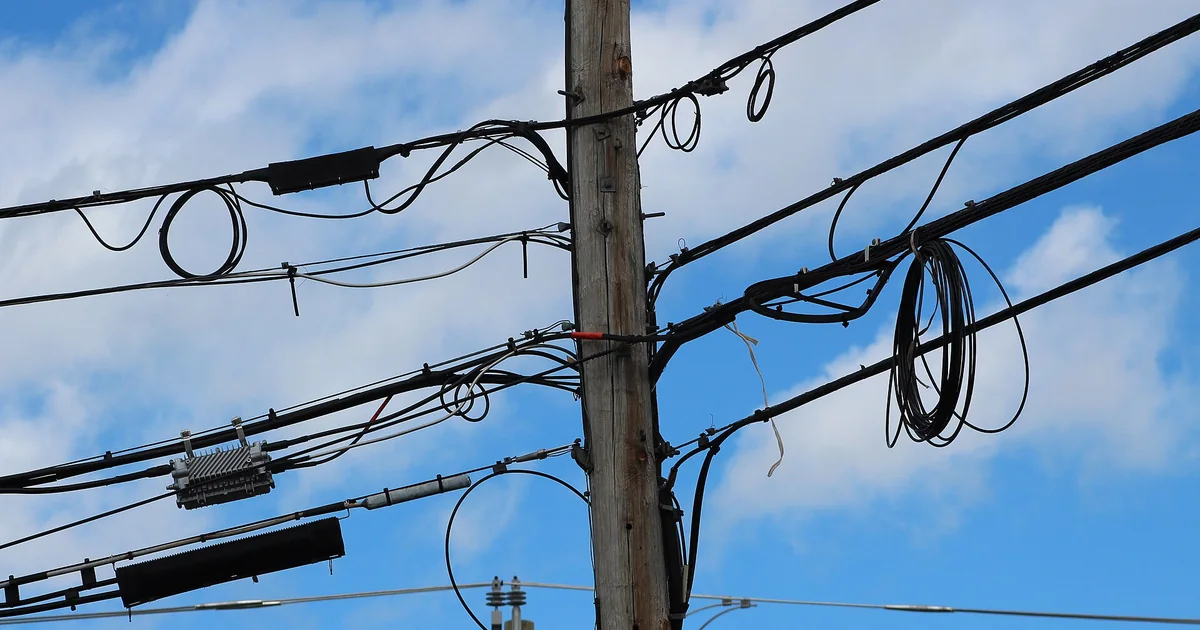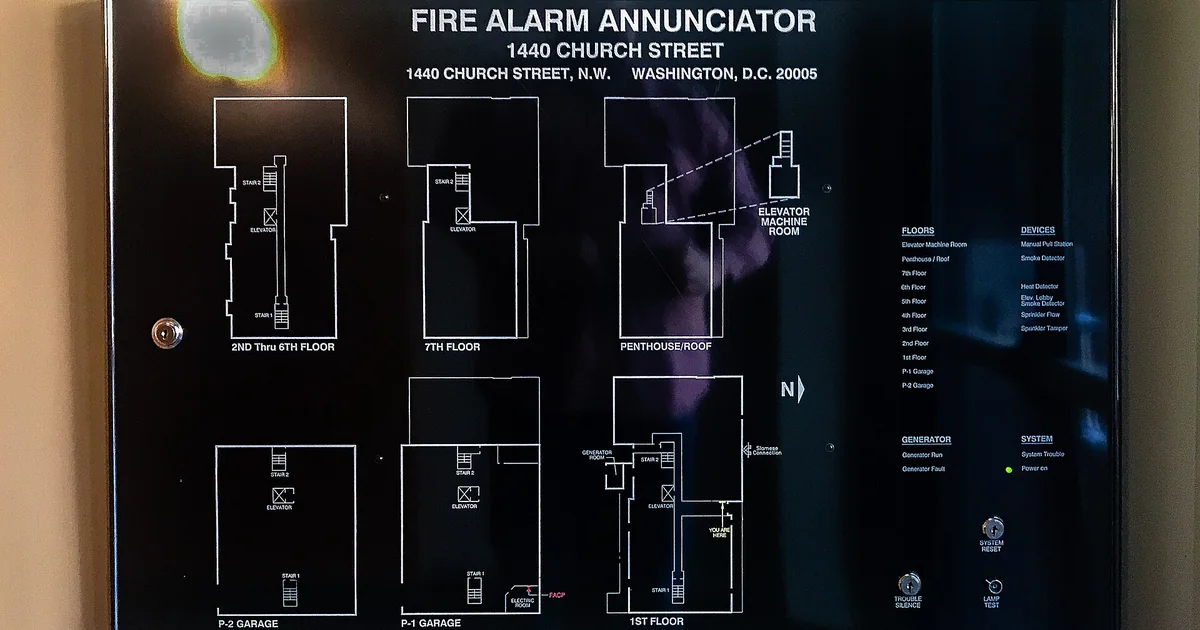
If your building has an elevator, the cab has an emergency phone inside it. Many property owners learn too late that replacing the old copper line is not simple. You cannot plug in a cheap adapter and move on. The rules for elevator emergency phone line replacement are tighter than the rules for a regular office line. The wrong fix can leave you out of code and your tenants without a working lifeline.
This guide is for building owners, facilities managers, and office administrators who need to cut copper without cutting corners. After reading this, you will know what the codes require, why generic VoIP fixes fail, and how to pick a compliant cellular replacement.
Why Elevator Emergency Phones Have Stricter Rules
Elevator emergency phones are not ordinary lines. They are life-safety devices, and the rules around them go well beyond standard telecom regulations. Missing even one requirement is not a paperwork problem. It is a code violation that can shut your elevator down.
The core issue is listing. Life-safety devices must be tested and certified by a recognized lab for their specific use. A device listed for general telephone use is not listed for elevator emergency communication. Those are separate categories. Inspectors know the difference. An unlisted device can be rejected on the spot during an inspection. You may be ordered to take the elevator out of service until you fix it.
Power backup is another hard requirement. When a building loses power, the emergency phone must still work. Standard VoIP equipment does not carry that guarantee. It depends on the building network, which may go down with the lights. A phone that works only when power is on does not meet the standard. That combination of listing and backup requirements is what sets elevator phones apart from every other line in your building.
Two Codes That Cover Your Elevator Emergency Phone
Two separate sets of rules apply to your elevator emergency phone. They come from different sources. Keeping them straight helps you ask the right questions when you talk to your contractor or your inspector.
The first is ASME A17.1, the Safety Code for Elevators and Escalators. Local jurisdictions throughout the United States use this code for the design, construction, installation, operation, inspection, testing, maintenance, alteration, and repair of elevators (2010 ADA Standards). Under that code, passenger elevators must have a two-way means of emergency communication (2010 ADA Standards). ASME A17.1 is a mechanical safety code. It governs how elevators are built and how they must operate.
The second set comes from federal accessibility law. These rules build on the ASME baseline and add requirements tied to equal access. The phone must work hands-free, so a person with limited mobility does not have to pick up a handset. The system must also allow someone who cannot speak to signal for help without speaking. Your contractor and AHJ can direct you to the exact paragraph covering those obligations. Your replacement must satisfy both sets of rules, not just one.
Why a Standard VoIP ATA Fails the Code Test
A generic analog telephone adapter, or ATA, converts a desk phone into a VoIP endpoint. It works fine for ordinary calls. It does not work for elevator emergency communication, and the gap matters during an inspection.
The first problem is listing. A generic ATA carries no life-safety listing for elevator use. Plugging an elevator phone into one does not transfer any certification to the assembly. The result is an unlisted installation. An authority having jurisdiction can require you to remove it and start over.
The second problem is signal quality. When a lab tests a non-standard telephone, it must use a feed circuit and termination that produce the same conditions as a general-purpose analog line (47 CFR Part 68). A cheap adapter rarely meets those conditions. That affects signaling, loop current, and off-hook detection in ways that can cause missed calls.
The third problem is reliability in a building emergency. Standard VoIP depends on your local network: the router, the internet connection, and the cloud service all have to work at the same moment your tenant is trapped. Life-safety communication must remain available even when those layers fail. That is why the code requires a purpose-built device with its own cellular radio and its own battery, not a chain of general-purpose components that each carry their own failure risk.
How to Choose a Listed Cellular Elevator Communicator
A listed cellular elevator communicator is a purpose-built unit for elevator emergency use. It packs a cellular radio, a speaker, a microphone, and a backup battery into one enclosure. It is not a phone plugged into a consumer cellular gateway. It is a certified device with a specific listing for elevator two-way emergency communication.
Look for a UL listing mark and confirm it covers elevator emergency communication. A general telephone listing is not enough. Ask the vendor for the listing number. It is a short alphanumeric code printed on the device label. Check that number against the certifying lab's public database before you order. If the vendor cannot give you a listing number, keep looking.
Key features to confirm before you buy:
- Automatic self-test with remote reporting, so you have a written record without sending a technician each time
- Supervised connection monitoring that alerts you if the cellular signal drops
- Battery backup sized to the duration your jurisdiction requires
- Hands-free, automatic answer with no button press needed in an emergency
Some units support text-based communication for users who cannot speak. Cellular providers covered under federal accessibility rules may offer relay services through real-time text rather than a TTY tone signal (47 CFR Part 64). Confirm the final unit choice with your elevator contractor before ordering.
Coordinating with Your Elevator Contractor and AHJ
Your elevator contractor and your authority having jurisdiction, called the AHJ, must both approve the plan before you touch the line. The AHJ is the government office that inspects and approves elevators in your area. It is often a state or local elevator safety office, a fire marshal's office, or a building department. If you do not know who your AHJ is, start with your state's department of labor or building safety office. Your elevator contractor can usually point you to the right person.
A common mistake is ordering hardware before getting approval. Some cellular communicators are listed for elevator use in some jurisdictions but not in others. What passes inspection in one city may fail in the next. Get written confirmation from both the contractor and the AHJ that the specific unit you plan to install is acceptable. Keep that confirmation in your project file.
Also confirm who does the physical installation. Most jurisdictions require a licensed elevator mechanic to install equipment inside the cab. Your telecom vendor can supply and activate the cellular unit. The hands-on work inside the elevator may need to stay with your elevator contractor. Mixing up those roles can void the installation or fail an inspection.
Testing and Documentation After Cutover
After the new unit is active, run a full test before the elevator carries any passengers. Press the emergency button. Confirm the call reaches your monitoring center. Check that two-way audio is clear in both directions. If the unit supports text-based communication, test that path separately and log the result.
Keep all documentation in one place: the installation records, the listing certificate, the technician's name, and the date of the first successful test. Write down the outcome of every test after that. Your AHJ may ask for this file at the next inspection. Gaps in the record create liability that is easy to avoid.
Build ongoing tests into your maintenance schedule. Some elevator service contracts include periodic communication tests as part of the routine maintenance visit. Ask your contractor whether that is covered. If it is not, set a calendar reminder and name one person who is accountable for each test. Do not rely on informal reminders alone.
If a test ever fails, treat it as an emergency. Take the elevator out of service. Fix or replace the communicator before it runs again. A phone that does not connect does nothing in a real crisis. For related guidance, see What Happens to Your Fire Alarm When Copper Phone Lines Go Away and our post on the phone lines in your building you may have forgotten. When you are ready to plan the cutover, our POTS line replacement and business phone systems pages explain what JDL can do to help.
Getting this right means working through the right channels in the right order. Confirm your plan with your elevator contractor and your AHJ, install only a listed cellular communicator, and document every test from day one. If you want help sorting through the options, book a free 30-minute call with Joshua and talk it through.