Replacing the plain old telephone lines in a public building is not as simple as swapping a carrier. Libraries, municipal offices, schools, and other public facilities often run fire alarms, elevator phones, and emergency call boxes over those same copper lines. Each one has its own compliance requirements and sign-off process. A wrong move can leave a building out of code before anyone notices.
This guide walks you through a line-by-line approach to POTS replacement for public buildings. By the end, you will know how to inventory every POTS-dependent device in your building, which replacement path fits each type, and which vendors or inspectors need to approve the change before you cut over. At JDL, we handle POTS replacement projects for small and mid-sized public facilities end to end.
Why Copper Phone Lines Are Going Away
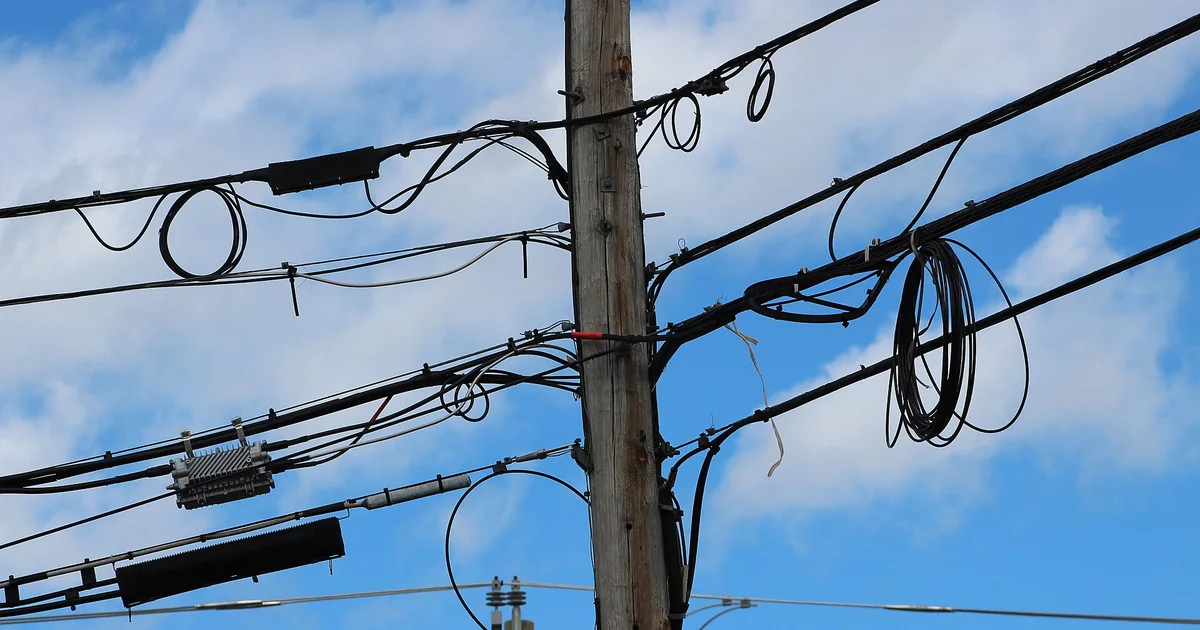
The public switched telephone network, the copper wire system that has carried voice calls for over a century, is being retired. Major carriers have been systematically decommissioning copper infrastructure, and federal regulators have cleared the path for them to do so. If your building still runs on traditional copper phone lines, that decision is being made for you.
For public buildings, this creates a hard deadline problem. Fire alarm dialers, elevator phones, security panels, fax machines, and door entry systems were all designed for copper. They do not automatically work on a digital or internet-based replacement. When your carrier discontinues service, those devices go silent unless you have already made a plan.
The pressure is not theoretical. Carriers are sending discontinuation notices to customers in targeted service areas. Some buildings have received them with little warning. If you manage a town hall, school, library, or municipal facility, waiting for a notice before you act puts you behind.
The right move is to get ahead of the cutover on your own schedule, not the carrier's.
Take Stock of Every POTS Line You Have
Start by pulling every POTS line in your inventory before you plan anything. Miss one line and you will find out the hard way, mid-cutover. Group your lines by endpoint type so the replacement planning stays organized.
Voice lines serve desk phones, lobby intercoms, and conference rooms. Fax lines often run to standalone machines or multifunction printers. Alarm lines connect to fire panels, burglar alarms, and panic buttons. Elevator lines are a separate category. Gate and door access controllers, HVAC monitoring systems, and utility meters may each have their own dedicated lines.
For each line, record the number, the physical location, the carrier, the monthly cost, and what device or system depends on it. A common mistake is to pull only the billing records and skip the physical walk-through. Labels fade and closets get forgotten.
- Pull your phone bills for the last two months. Carriers sometimes bill lines under different account numbers.
- Walk the building and trace every line to its endpoint.
- Ask your alarm, elevator, and facilities vendors what lines their equipment uses. They often know details your internal records miss.
The goal is a single spreadsheet with no gaps. That list drives every decision that follows. A related audit process for all your telecom spending is covered in the telecom bill audit guide for small businesses.
Life-Safety Lines Need Their Own Replacement Path
Life-safety lines are not ordinary voice lines. Fire alarm dialers, elevator emergency phones, and similar circuits carry regulatory and liability weight that generic VoIP replacements cannot absorb.
Start by pulling every life-safety line out of your main inventory and treating it as a separate workstream. Your fire alarm panel manufacturer and your elevator contractor each have a short list of approved replacement options. Get that list before you talk to any carrier. Installing an unapproved solution can void equipment certifications and trigger failed inspections.
The two most common approved paths are a cellular communicator added directly to the panel, or a copper-to-IP adapter that the equipment manufacturer has tested and approved. Either way, the replacement must be tested end-to-end after installation, not just activated.
Loop in your authority having jurisdiction, the local fire marshal or building department that signs off on your systems, early. They may require a permit or a third-party inspection before you can retire the old copper line. Plan for life-safety lines to take longer and cost more than a standard voice line. Budget the time and schedule inspections before your carrier disconnects anything.
Federal 911 Rules That Apply to Your Phone System
If you are installing a new multi-line telephone system as part of your replacement project, federal 911 rules apply. These rules cover most phone systems you would install today.
Two requirements matter most. First, when someone dials 911, the system must alert a central point - on-site or off-site - where a person is likely to see or hear it (FCC MLTS 911 requirements). That means a front desk, a security station, or a monitored service.
Second, the system must send a dispatchable location with every 911 call. Dispatchable location means the validated street address plus enough detail - suite, floor, room number - to tell a dispatcher exactly where the caller is (FCC MLTS 911 requirements). Fixed desk phones had to meet the automated dispatchable-location requirement first (FCC MLTS 911 requirements). Mobile and non-fixed devices followed, with the same requirement applying when technically feasible (FCC MLTS 911 requirements). The full rule set lives under 47 C.F.R. Part 9, Subpart F (FCC MLTS 911 requirements).
Systems covered by Kari's Law and the federal MLTS rules are only those manufactured, imported, first offered, sold, leased, or installed after February 16, 2020 (FCC MLTS 911 requirements). Before you finalize any replacement system, confirm with your vendor in writing that the new setup meets both the notification and dispatchable-location rules for every device type you are deploying.
Get the AHJ to Sign Off Before Cutover
Before you cut over any life-safety line, get written sign-off from the authority having jurisdiction, or AHJ. This is usually the local fire marshal, but it can also include a building department or state fire safety office. Find out early who your AHJ is, because some jurisdictions require multiple approvals.
Schedule a pre-cutover meeting with the AHJ before any work begins. Bring your replacement system documentation, including equipment specs, installation drawings, and the vendor's written confirmation that the new system meets applicable codes. Ask the AHJ directly which codes and editions they enforce locally. Many jurisdictions still reference older editions of relevant standards, so do not assume the latest version applies everywhere.
Walk the AHJ through how each replaced circuit will function after cutover. Fire alarm dialers, elevator phones, and door entry systems each need a clear explanation. If the inspector raises a concern, resolve it in writing before you schedule the switch.
After cutover, request a final inspection and get the approval documented. Keep that paperwork with your system records. If a future inspection or incident raises questions, written AHJ sign-off is your protection. A common mistake is to treat AHJ approval as a formality and schedule it at the last minute. It rarely is a formality.
Build a Realistic Budget for the Transition
Budget for a POTS replacement breaks into several categories. Knowing them upfront prevents surprise approvals mid-project and helps you bring a credible number to leadership.
Equipment costs include the analog telephone adapters or cellular backup units that replace each copper line. Life-safety circuits often require purpose-built devices that cost more than standard voice adapters. Installation covers labor for each device, plus any conduit or wiring changes your building requires. Buildings with older infrastructure often need more work than newer ones.
Testing fees apply when a third-party technician must verify that fire alarm dialers and elevator phones function correctly after cutover. Some jurisdictions charge permit fees on top of that. Ongoing costs shift from per-line copper charges to a monthly service fee per line or per site. Get itemized quotes so you can compare true monthly costs against what you pay today.
Set aside a contingency for surprises: a line you missed during inventory, a failed device, or a re-inspection fee. Build your budget before you go to leadership for approval, not after a vendor has already quoted you. Our managed IT services team can help you scope and manage this process from inventory through final sign-off.
Close Out the Project the Right Way
Start with the inventory you built at the beginning. Walk each line to its endpoint, confirm its replacement path, and get every required sign-off documented before you close the project. A complete, signed record protects you during the next inspection and gives the next person who touches the system a clear starting point.
Confirm that every life-safety device is tested, every 911 notification requirement is verified in writing, and every AHJ approval is filed with your facility records. Cancel the retired copper lines with the carrier only after all tests and inspections are complete, not before.
Use this checklist before you declare the project done:
- Full line inventory complete with no gaps.
- Life-safety replacement paths confirmed with equipment vendors.
- AHJ pre-approval obtained and documented.
- Replacement equipment installed and tested end-to-end.
- 911 notification and dispatchable-location compliance verified in writing from vendor.
- Final AHJ inspection passed and paperwork filed.
- Old copper lines cancelled with carrier.
Running this checklist before you finalize the project prevents the most common cutover failures: a cancelled line that still feeds an active fire panel, or a 911 call that routes without a floor number attached.
Book a free 30-minute call with Joshua to walk through your building's line inventory and figure out the right replacement path for each circuit. There is no sales pitch, just a straight conversation about what your facility actually needs.