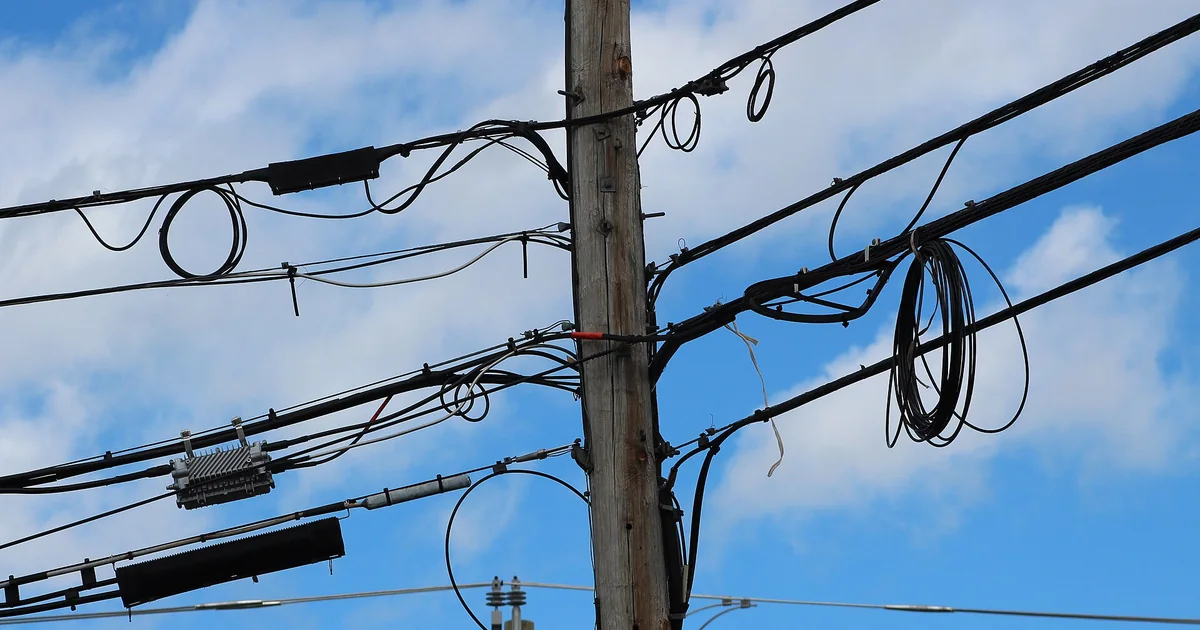
If your business still runs on traditional copper phone lines, the clock is ticking. Carriers across the country are retiring their old copper networks, and the copper line retirement deadline for small businesses is not a distant concern. For many, the cutover is already in motion.
This post explains the FCC process that authorizes carriers to retire copper service, how notice arrives and what the timeline looks like, which devices are most at risk, and the concrete steps to take before a disconnection notice removes your options.
What the FCC Copper Retirement Process Authorizes
The FCC allows carriers to exit the traditional copper-based phone business through a formal discontinuance process. Under that process, a carrier files notice with the FCC under Section 214 of the Communications Act to discontinue legacy services. That filing triggers a public comment period and a customer notification requirement. Once the process completes, the carrier has legal authority to cut service on a set date.
The burden shifts to you at that point. Carriers must notify you, but notification is not the same as protection. If you miss the notice or ignore it, your service still ends on schedule.
Carriers do not audit what you have plugged in before retiring a line. A fax machine, an alarm panel, an elevator phone, or a point-of-sale terminal that depends on that copper circuit goes dark along with the voice service, with no separate warning.
The practical result is that waiting for your carrier to manage this transition is a losing strategy. The regulatory process is designed to let carriers move forward. Your job is to inventory what you have, understand your exposure, and act before the notice arrives, not after.
How Carriers Notify You and What the Timeline Looks Like
Carriers are required to provide customers with advance written notice before retiring copper service. The required window is longer than most people realize, but it passes quickly when no one is watching for it. The notice often arrives as a letter or email that looks like routine billing correspondence, and many business owners set it aside while the clock keeps running.
By the time you recognize what the notice means, research your options, get quotes, and schedule installation, significant time may already be gone. Some replacements require new equipment, inside wiring work, or coordination with multiple vendors, all of which extend lead times further.
Notices go to the address on file with the carrier, which may be a billing address rather than an operational one. If your contact information is outdated, the notice may never reach the right person.
Three steps protect you here. First, confirm that your carrier accounts list a current email and mailing address. Second, designate someone responsible for reviewing any carrier correspondence immediately when it arrives. Third, do not wait for a notice to start evaluating alternatives. Doing that work in advance, without deadline pressure, keeps costs lower and options open.
Devices Most at Risk from the Copper Line Retirement Deadline
Several categories of equipment depend on copper lines in ways that are easy to overlook until service stops. Run a physical audit before anything else: walk the building, trace every phone jack and analog port, and document what device sits at the other end.
Alarm systems are among the highest risk. Most traditional burglar and fire alarms use a dedicated copper line to communicate with a monitoring center. When that line is retired, the alarm goes silent without any visible warning. See our related post on what happens to your fire alarm when copper phone lines go away for a detailed breakdown.
Fax machines remain common in healthcare, legal, and government-adjacent businesses. If your workflows or compliance obligations require fax, you need a replacement path before the line is cut. A cloud fax service can fill that gap without replacing hardware or disrupting existing document workflows.
Point-of-sale terminals that use analog dial-up connections fail at the moment of a customer transaction. Know whether your payment processor still runs any analog fallback, and confirm the answer in writing from your processor, not just from memory.
Elevator phones are legally required in most jurisdictions and must reach an emergency dispatcher at all times. Building owners carry liability if that connection fails. See the elevator emergency phone line replacement guide for the specifics.
Gate and door entry systems often ring a phone number over a copper line. These are easy to forget because they work quietly for years with no visible indication that they depend on a circuit that is about to be retired.
How to Request a Full Line Inventory from Your Carrier
Once you have your physical audit in hand, contact your carrier's business accounts team directly. Do not use a general customer service line. Ask specifically for a written inventory of every copper circuit tied to your account number.
Your request should ask for three things: each circuit ID, the service type attached to it, and the address or physical location where it terminates. Get this in writing, by email or formal account document. A verbal summary is not useful here because it cannot be compared against your audit or referenced later if a dispute arises.
If the representative seems unfamiliar with the request, escalate to a business or enterprise account manager. Larger carriers have dedicated teams for business accounts, and those teams are more familiar with circuit-level documentation requests.
Compare what the carrier sends you against your own audit list. Gaps in either direction matter. A circuit you use that the carrier does not list may be billed incorrectly or orphaned on a deprecated service tier. A circuit the carrier lists that you cannot locate may be an old line you are still paying for and no longer need.
A common mistake is waiting until a notice arrives to request this inventory. By then, carrier response times slow and your decision window narrows. Do this work now, while you still have time to plan.
Replacement Options and Realistic Lead Times
Four replacement paths cover most small businesses: hosted VoIP, fiber broadband with SIP trunking, fixed wireless, and cellular backup.
Hosted VoIP suits most small offices because your phones run over your existing internet connection and you do not need new on-site hardware beyond the phones themselves. Setup is relatively fast, but porting your existing phone numbers to a new provider can take several weeks, sometimes longer for older copper numbers. Our POTS line replacement services page explains what the porting process typically involves and how to avoid common delays.
Fiber broadband with SIP trunking fits businesses with higher call volume, multiple fax lines, or analog devices that need dedicated bandwidth. It is the most reliable foundation, but lead times vary widely. Some installations close in a few weeks; others require outside construction and can stretch to several months. Start the quote process early, before you are under pressure.
Fixed wireless is worth considering if fiber is unavailable or slow to provision. A line-of-sight antenna connects you to a nearby tower, and installation is usually faster than trenching new fiber. It is a practical interim option while a fiber build is in progress. For businesses that need a full VoIP phone system, fixed wireless can serve as the underlying connection.
Cellular backup serves as a failover layer, not a primary line. Treat it as a safety net while your primary replacement service stabilizes, not as a long-term substitute for a wired or fixed-wireless connection.
Few small businesses have the time and expertise to keep internet-connected phone systems secure on their own (CISA). Factor managed security into your replacement budget from the start, whether that means a managed service or a formal review of your network settings before go-live.
What to Do When a Disconnection Notice Arrives First
If a disconnection notice arrives before you have a replacement ready, treat it as an urgent operational problem, not a future project. Call your carrier's business accounts team the same day. Ask specifically about an extension or continuity-of-service option, and follow up in writing the same day you call.
When you call, have three things ready: the account number from the notice, a list of your most critical lines, and a short explanation of why you need more time. Extensions are sometimes available, but carriers do not offer them proactively. You must ask, and asking in writing creates a record if service is cut ahead of schedule.
While you wait for a response, rank your lines by impact. Life-safety lines, alarm lines, and your primary business number go to the top. Those get replaced first if hard choices must be made about where to spend limited time and budget.
Contact a VoIP provider or IT partner the same week the notice arrives. Provisioning can take several weeks. Starting early gives you more options and better pricing than starting under a hard deadline.
Supporting the people managing your technology transition is critical when the whole organization needs to cooperate (CISA). Assign someone at the ownership or leadership level to own this project. Getting staff to share system access, adjust workflows, and cooperate with installers takes real authority. Document every call and keep all confirmation emails. If service is cut before your replacement is live, that paper trail is your primary recourse.
The single most useful action you can take this week is to request a written inventory of every copper circuit from your carrier and compare it against a physical audit of your building. Once you know what you have, you can prioritize replacements before a carrier-initiated cutover removes the choice from your hands entirely. Book a free 30-minute call with Joshua to talk through what you find and map a replacement plan that fits your business.