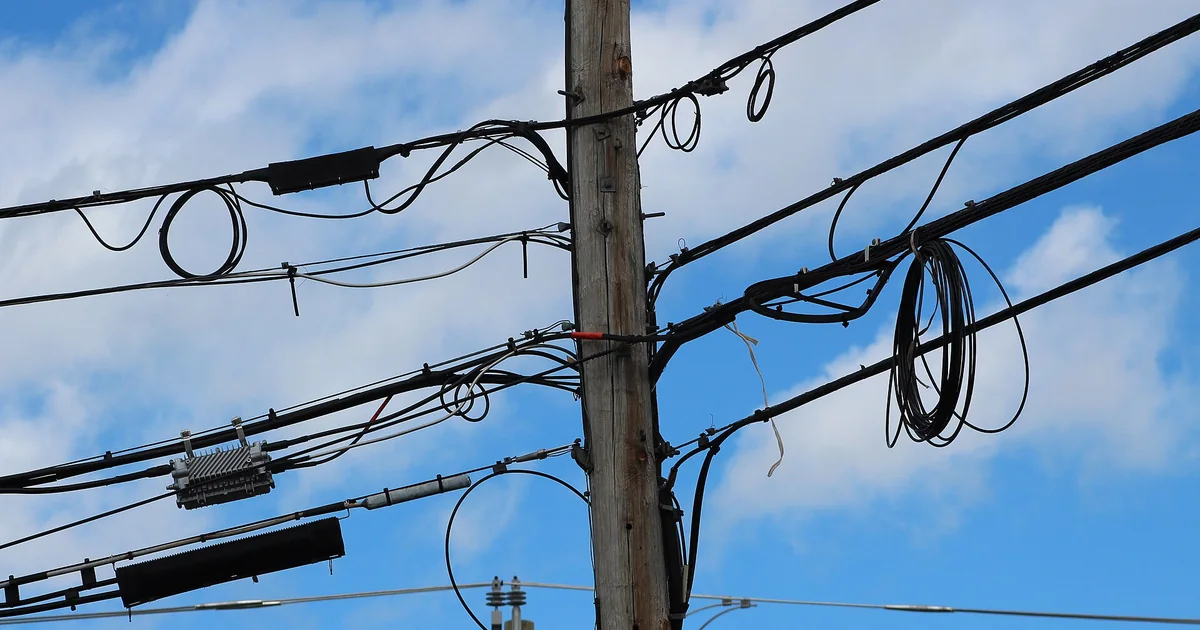
If you have a plain old telephone service line -- a copper phone line from the local phone company -- you may not know exactly what it is doing in your building right now. Most were installed years ago and quietly stayed connected to equipment nobody audits anymore: fax machines, alarm panels, elevator phones, credit card terminals, and more.
If you are trying to understand what a POTS line is used for in your business, this is for you. By the end, you will know the most common devices that depend on these lines, the right questions to ask before you cut or replace one. How to run a quick audit before your next telecom decision.
What Is a POTS Line and How It Works
A POTS line, short for plain old telephone service, is a single analog voice circuit carried over a pair of copper wires. Those wires run from your building to a central office owned by the local telephone company, which connects into the public switched telephone network. That network is the global system of copper, fiber, and switching equipment that routes traditional phone calls.
The technology is straightforward. Voltage on the copper pair powers the line and signals a call. No internet connection, no router, no power at your end required. That simplicity is exactly why it has been in continuous use for well over a century.
Reliability is the reason so many devices still depend on it. Fire alarm panels, elevator emergency phones, fax machines, and some security systems were all designed for a circuit that works even when the power goes out. The phone company supplies current from the central office, so the line stays live through a local outage.
That same design is now a liability. Carriers are actively retiring copper infrastructure, and replacement parts and technicians are becoming harder to find. Understanding what runs on these lines is the first step before you make any changes.
What Is a POTS Line Used for Beyond Voice
Voice calls are only part of the story. Many devices in a typical small business building rely on analog lines without anyone realizing it.
Fire alarm panels are a common example. Many panels use a POTS line to report to a central monitoring station. Elevator cabs often carry a dedicated analog line for the emergency phone inside. Both are life-safety systems, so verify what they need before you change anything.
Fax machines still run on analog lines in healthcare offices, law firms, and local government offices. Point-of-sale terminals and credit card readers sometimes use analog as a fallback when the internet goes down. Older modems for security systems, HVAC controls, or utility meters can also hold a line you forgot about.
Before you replace or disconnect any line, audit the physical space. Check the electrical room, the elevator shaft, every alarm panel, and the server closet. Ask your alarm company and elevator contractor what their equipment requires. When connecting equipment to the telephone network interface, the first registered device must meet specific training and authority rules (ECFR). A quiet line is not always an idle one.
Elevator and Alarm Lines You May Not Know About
Elevator cabs are required to have an emergency phone, and that phone is almost always wired to a POTS line. If that line goes dark, the emergency call function fails. Passengers trapped in a stalled cab have no way to reach help. That is not a minor compliance gap; it is a life-safety failure.
Monitored fire and burglar alarm circuits carry the same risk. Cut the line without a replacement path, and your monitoring goes silent. Your insurer may not cover a loss that occurred while monitoring was interrupted.
Kari's Law, the federal rule covering multi-line telephone systems, only applies to systems manufactured, imported, offered for sale or lease, sold, leased, or installed after February 16, 2020 (FCC). Systems installed before that date may still carry legal or contractual obligations under other rules. Check with your alarm company and your local authority having jurisdiction before you make any changes.
Document every line before you touch it. Know what it feeds, who monitors it, and what your contract requires. Plan the replacement first, then disconnect.
Why Copper Lines Are Being Retired Right Now
Carriers have been pushing to exit the copper network for years, and regulators have largely let them. The core argument is simple: maintaining aging copper infrastructure is expensive, and newer technologies carry more traffic at lower cost. The FCC has allowed carriers to petition for relief from their old obligation to serve every address with traditional phone service. That means your carrier can, in many markets, stop offering POTS and push you toward a digital alternative.
The retirement is not happening on one fixed date everywhere. It moves market by market, as carriers file notices and wind down copper plant on their own schedules. Some rural and suburban areas still have years of copper service ahead. Others are already past the point where new POTS lines can be ordered.
What this means for your business is straightforward. The question is no longer whether your copper lines go away. The question is when, and whether you find out with enough lead time to plan. Carriers are not required to give you a long runway. Waiting for a disconnect notice puts you in reactive mode, often at the worst possible time.
How to Find Every Analog Line in Your Building
Start with your phone bills. Pull the last two or three months and list every line item. Carriers bill each analog circuit separately, so a forgotten fax line or elevator phone often shows up as a small monthly charge you stopped questioning years ago.
Next, find your demarc - the demarcation point where the carrier's wiring ends and yours begins. It is usually a small box on an exterior wall or in a utility room. Count the pairs punched down there. If the count is higher than you expected, something is connected that you have not accounted for.
Then walk the building. Check the server room, the back office, the break room, every closet. Look for analog adapters on copiers, lone desk phones not connected to your main system, and wall jacks that nobody uses.
After the walk, make two calls. Ask your alarm company which circuits connect to their monitoring panel. Ask your elevator contractor or building manager what the cab emergency phone uses. Both vendors can confirm whether their equipment depends on a copper line.
Write down everything you find. A short list with the location, the device, and the carrier line number is enough. That list becomes the foundation for your replacement plan.
First Steps Before You Replace or Cancel a Line
Before you disconnect anything, work through a short checklist for each line on your inventory list.
First, confirm what device is using the line. A fax machine is straightforward to replace. An elevator emergency phone or a fire panel may require a licensed contractor to touch, so find that out before you call the carrier.
Second, check whether the device has a compliance requirement tied to it. If your building has a TTY device for accessibility, note that internet-based relay services do not automatically cover TTY or real-time text over a VoIP connection, so verify your replacement path handles that before you cut the copper (ECFR). Third, contact the device vendor or the monitoring company before you schedule the cutover. Ask them directly: does your equipment work over a cellular or VoIP replacement line? Get that answer in writing.
Fourth, set a cutover date that gives every vendor time to test. Do not cancel the analog line until the replacement has passed a full test cycle.
Work through that sequence for every line on your list. One missed dependency is enough to leave a fire alarm or elevator phone silent when it matters.
The single most useful thing you can do right now is complete that line audit before any vendor conversation starts. A written list of every POTS line, what it serves, and who maintains that device gives you the control you need to replace lines safely, skip the ones you cannot touch yet. Stop paying for lines that connect to nothing at all.
For a related guide, see Copper Line Retirement Deadline for Small Business. If you want help with this work, see our POTS line replacement and business phone systems pages.
If you want help with this, book a free 30-minute call with Joshua and talk it through.